Magnesium-Based Flue Gas Desulfurization Technology for Industrial Boiler SO2 Removal
Product Details
Magnesium-Based Flue Gas Desulfurization Technology for Industrial Boiler SO2 Removal
Overview
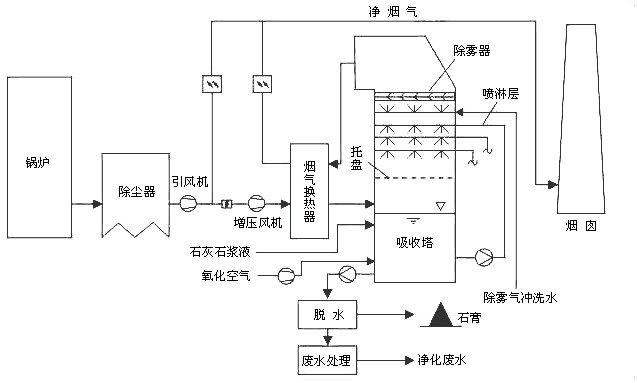
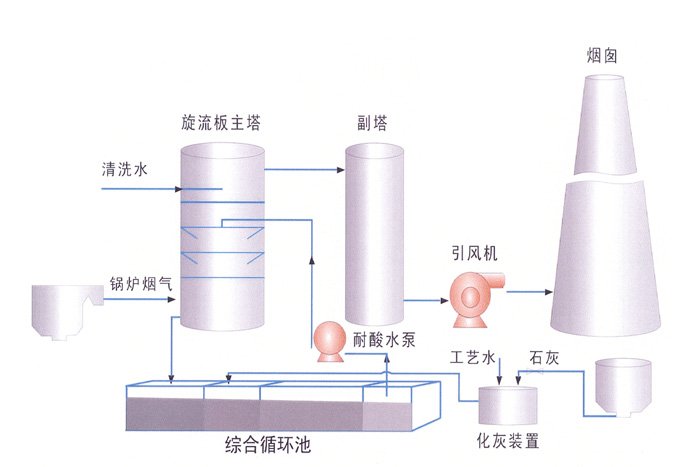
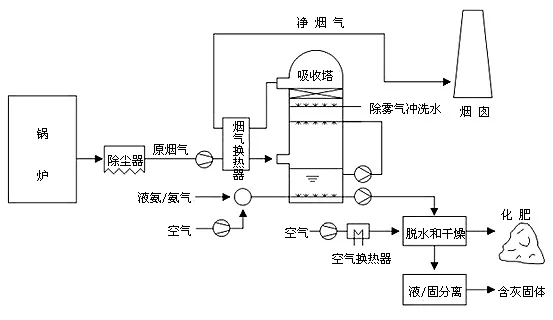
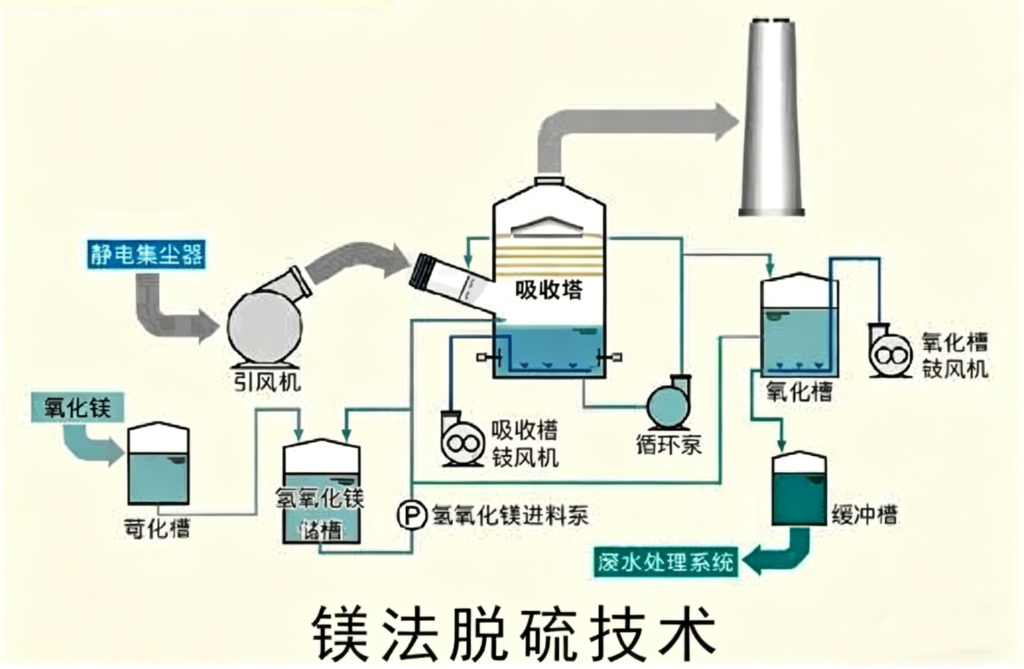
The desulfurization mechanism of magnesium oxide is similar to that of calcium oxide. Both are alkaline oxides that react with water to form hydroxides. The hydroxide then undergoes an acid-base neutralization reaction with sulfurous acid, which is formed when sulfur dioxide dissolves in water. Magnesium oxide reacts to produce magnesium sulfite and magnesium sulfate. The magnesium sulfite is then oxidized to form magnesium sulfate as the final byproduct.
Process Characteristics
Mature Technology
Magnesium-based wet flue gas desulfurization is a well-established, proven technology with many successful installations worldwide.
Abundant Raw Material Supply
Magnesium oxide is commercially available from multiple sources. Magnesium hydroxide can also be produced from seawater or brine, providing supply options regardless of location.
High SO₂ Removal Efficiency
The reaction between magnesium hydroxide and sulfur dioxide is rapid and complete. High desulfurization efficiency is consistently achieved, typically exceeding 95 percent even with fluctuating inlet SO₂ concentrations.
Lower Capital Investment
Compared to lime or limestone-based systems, magnesium-based FGD requires smaller equipment. The higher reactivity of magnesium absorbent allows lower liquid-to-gas ratios. Smaller recirculation pumps and piping reduce capital costs.
Lower Operating Costs
Magnesium hydroxide has higher solubility than calcium hydroxide. Recirculation rates are lower. Power consumption for pumping is reduced. Scale formation is minimal, so less maintenance is required.
Reliable Operation
The magnesium-based process operates without the scaling and plugging problems common in some other wet FGD systems. The absence of hard scale improves system availability and reduces unplanned outages.
Application Range
Magnesium-based wet flue gas desulfurization is an economical and practical technology for small to medium-sized cogeneration plants, typically those under 200 MW. The application range is wide. The technology is extensively used in the power generation industry for coal-fired boilers. It is also applied to metallurgical sintering machine flue gas, industrial boilers, and pulp and paper mill recovery boilers. The process handles flue gas sulfur content from low to medium levels effectively.