Flue Gas Desulfurization Wastewater Treatment System for Coal-Fired Power Plants
Product Details
Flue Gas Desulfurization Wastewater Treatment System for Coal-Fired Power Plants
The flue gas desulfurization (FGD) wastewater treatment system is designed using optimized principles and methods. It offers high treatment efficiency, low operating costs, and low energy consumption. This system is widely used for treating FGD wastewater in power plants.
Why FGD Wastewater Treatment Is Necessary
Wet flue gas desulfurization produces a wastewater stream containing suspended solids, heavy metals, chlorides, and other dissolved pollutants. Discharging this wastewater without proper treatment would violate environmental regulations and harm receiving waters. Treatment is required to remove contaminants before discharge or reuse.
Optimized Design Principles
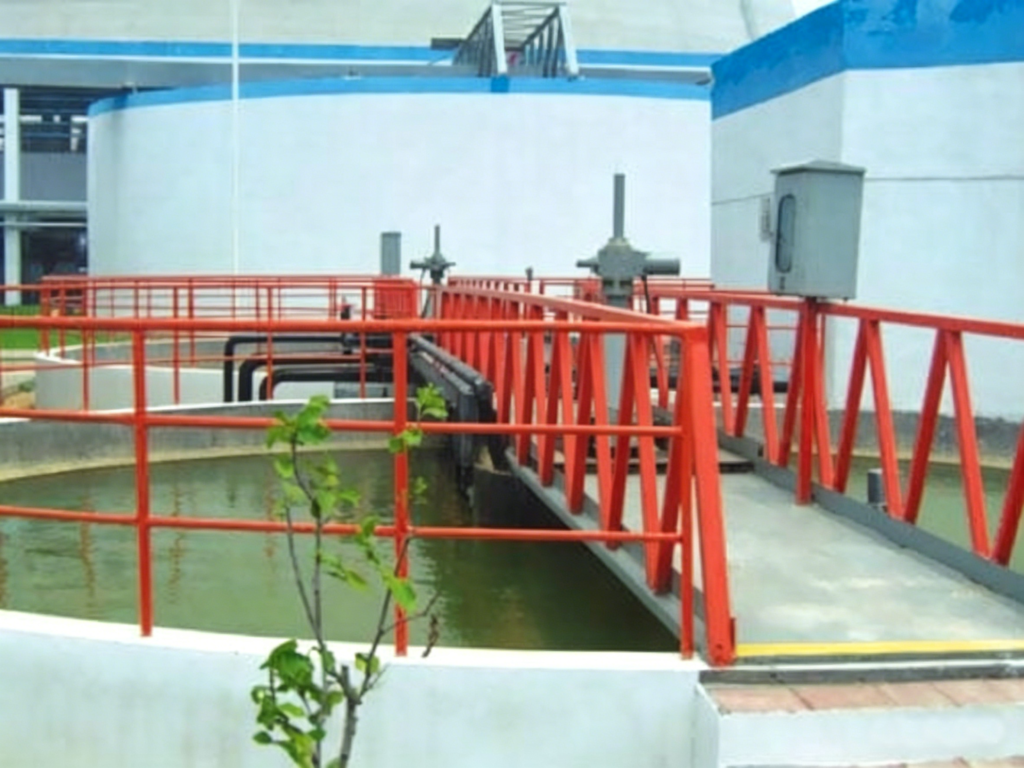
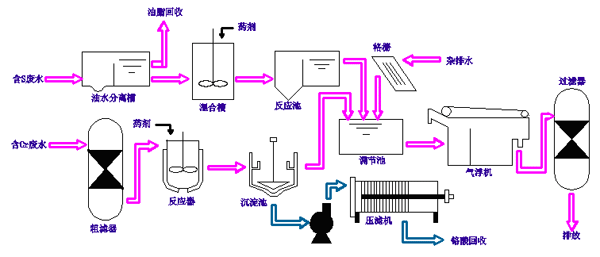
The system design uses proven physical-chemical treatment methods. Key unit processes include coagulation, flocculation, clarification, and sludge dewatering. Coagulation destabilizes colloidal particles. Flocculation aggregates these particles into larger flocs. Clarification separates the flocs from the treated water. The separated sludge is dewatered for disposal.
High Treatment Efficiency
The optimized design achieves high removal rates for target contaminants. Suspended solids removal typically exceeds 95%. Heavy metals such as mercury, lead, and arsenic are reduced to meet regulatory discharge limits. Fluoride and other soluble pollutants are also effectively removed.
Low Operating Costs
Chemical consumption is minimized through precise dosing control. Polymers and coagulants are added only at rates needed for the specific wastewater composition. Power consumption is low because the system operates with small pumps and mixers rather than large aeration equipment. Sludge production is manageable, reducing disposal costs.
Low Energy Consumption
Unlike biological treatment systems that require continuous aeration, FGD wastewater treatment uses physical-chemical processes. Energy is consumed only for mixing, pumping, and sludge handling. Total energy demand is a fraction of what biological systems would require.
Wide Application Range
This treatment system is installed at coal-fired power plants with wet FGD systems. It handles wastewater with varying flow rates and contaminant loads. The system operates reliably under the cyclic loading typical of power plant operation.
Typical Performance Parameters
- Suspended solids in effluent: < 30 mg/L
- Mercury: < 0.5 μg/L
- COD removal: 60-80%
- Sludge solids content after dewatering: 20-30%
处理生活污水回用技术.gif)