Industrial Long-Distance High-Capacity Curve Belt Conveyor for Bulk Material Handling
Product Details
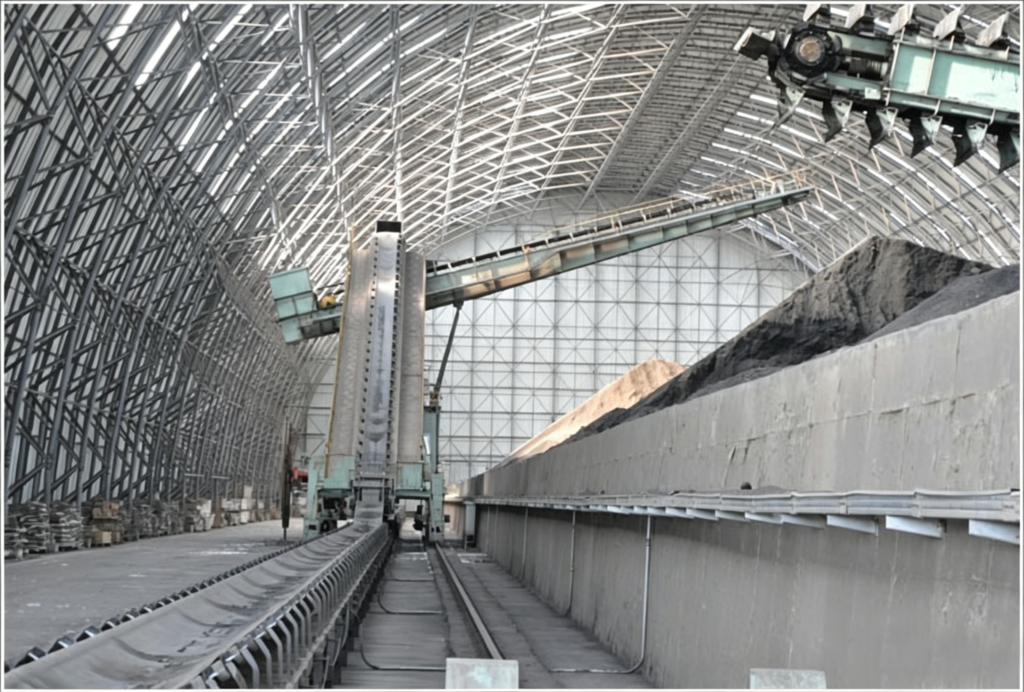
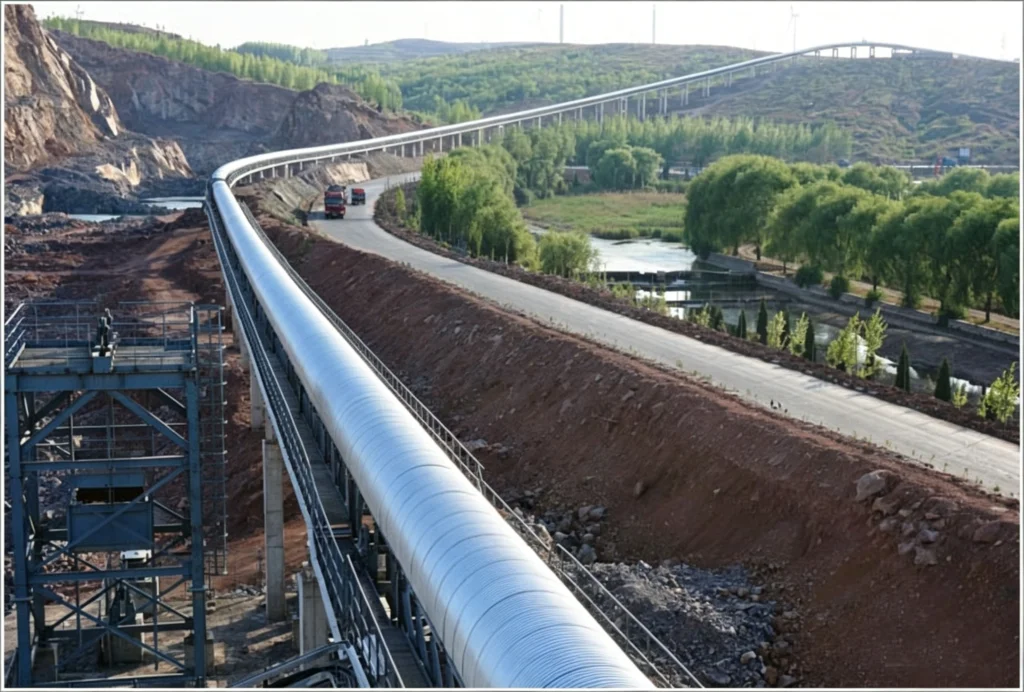
Haihui Long-Distance High-Capacity Horizontal Curve Belt Conveyors have been successfully applied in ports, cement plants, mines, coal industries, and other bulk material handling sectors. The equipment can be selected and designed according to specific conveying process requirements, even when crossing complex terrains such as mountainous areas and rivers. Compared with truck transportation, this conveyor offers lower operating costs, enables continuous conveying, and delivers higher production efficiency.
1. Applications
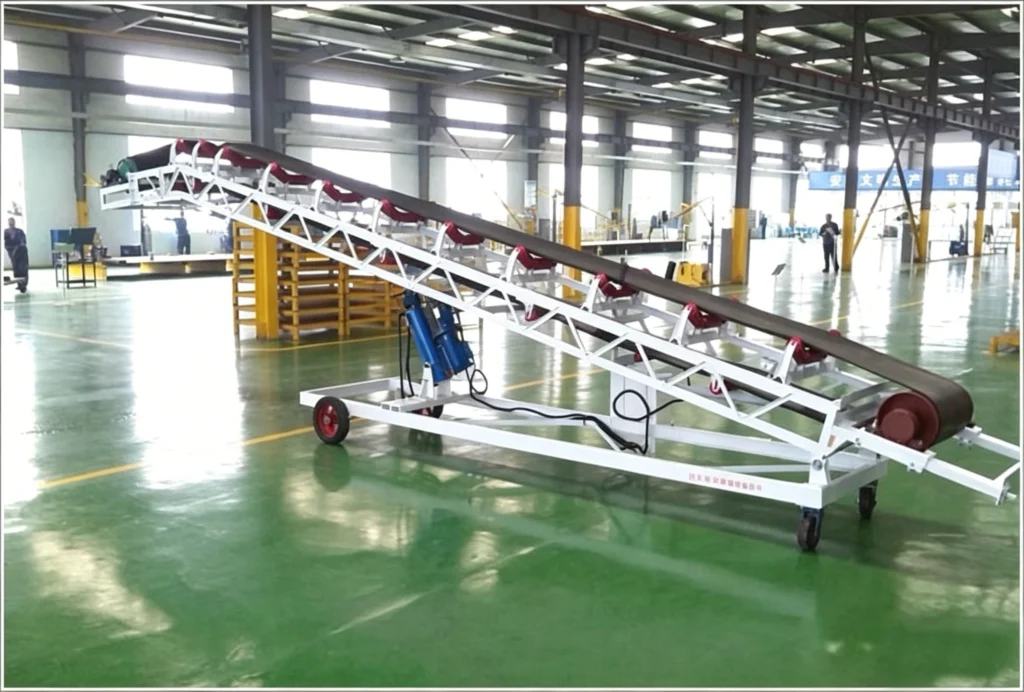
Belt conveyors are widely used in metallurgy, coal, transportation, ports, power generation, building materials, and other industries to transport bulk materials or packaged goods. Their popularity stems from several advantages: high conveying capacity, simple structure, easy maintenance, low cost, and strong versatility. Depending on the conveying process requirements, a single unit can operate independently, or multiple units can form a horizontal or inclined conveying system together with other types of conveyors.
The standard operating temperature range for belt conveyors is from -10°C to +40°C. For applications with special requirements such as explosion protection, water resistance, corrosion resistance, heat resistance, or cold resistance, appropriate measures must be taken. These may include selecting specialized belt materials, sealed idlers, or explosion-proof motors.
2. Technical Features and Main Parameters
Belt conveyor widths are available in the following standard sizes: 500, 650, 800, 1000, 1200, 1400, 1600, 1800, 2000, 2200, and 2400 mm. Belt width selection depends on the required conveying capacity and material characteristics. Wider belts provide higher conveying capacity.
Belt speeds are available in the following standard ratings: 1.0, 1.25, 1.5, 2.0, 2.5, 3.5, and 4.0 m/s. Belt speed selection depends on material properties, conveying distance, and process requirements. For highly abrasive materials, lower belt speeds are recommended to extend belt life. For fine or powdery materials, higher speeds can be used to improve conveying efficiency.
3. Complete System Arrangement
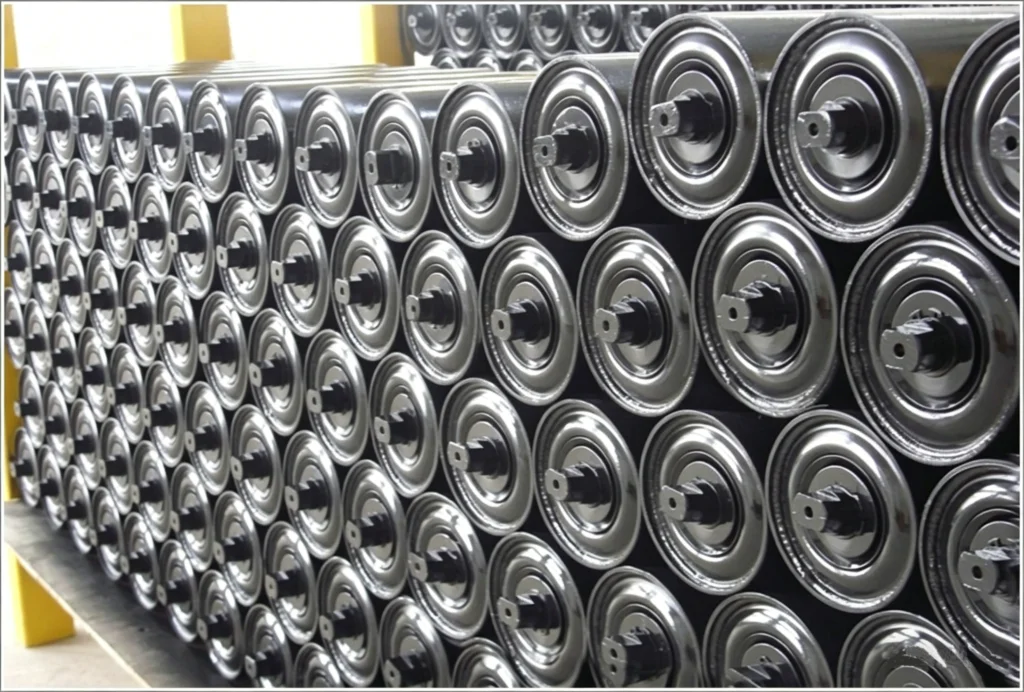
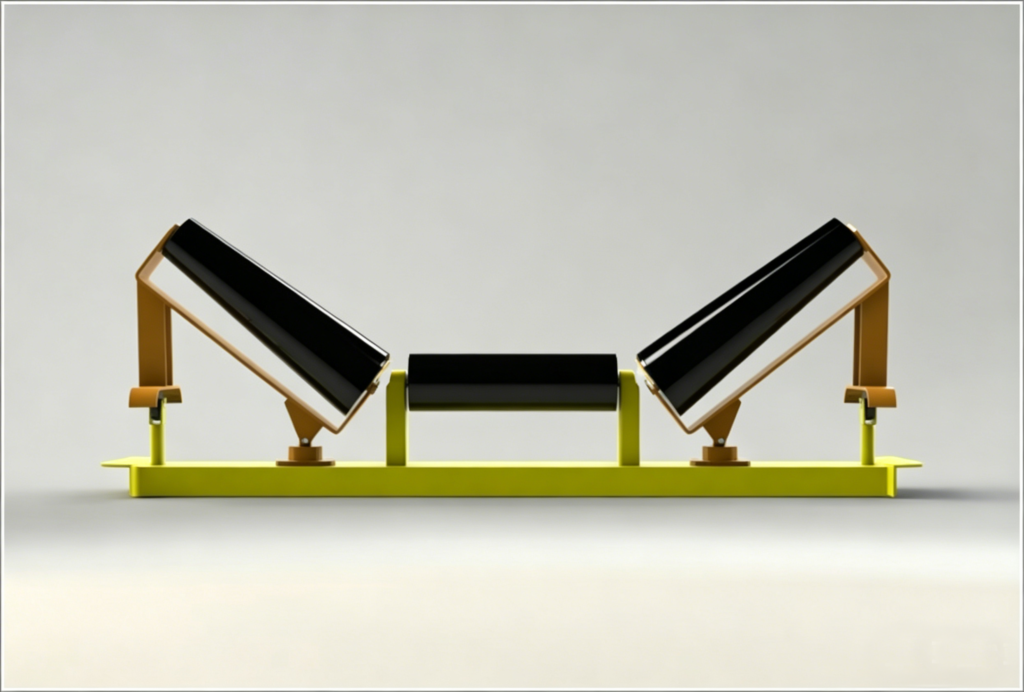
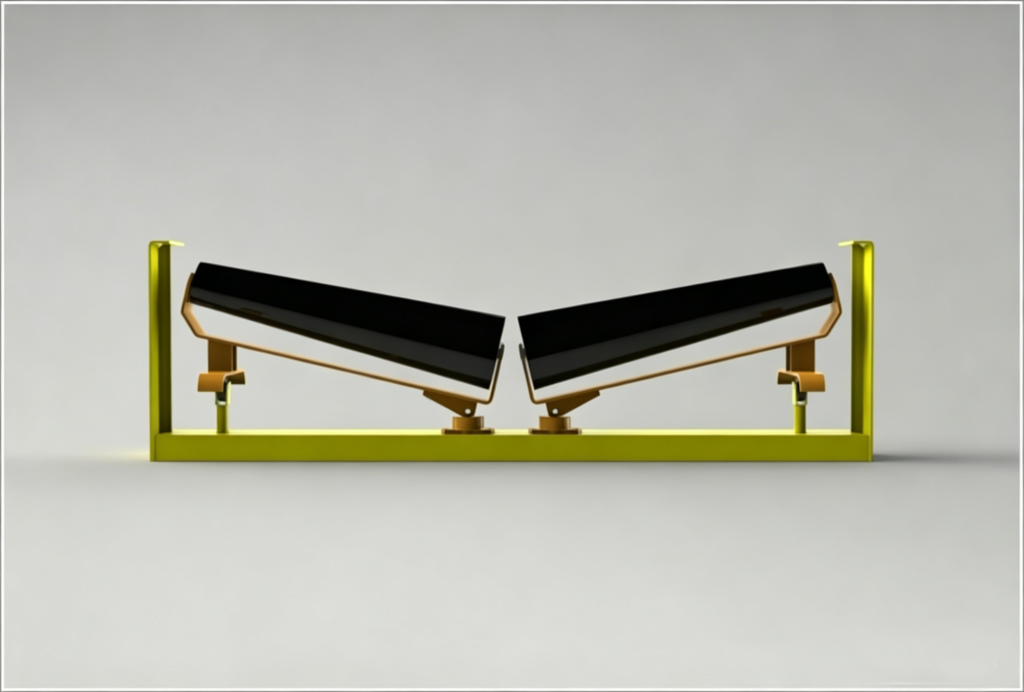
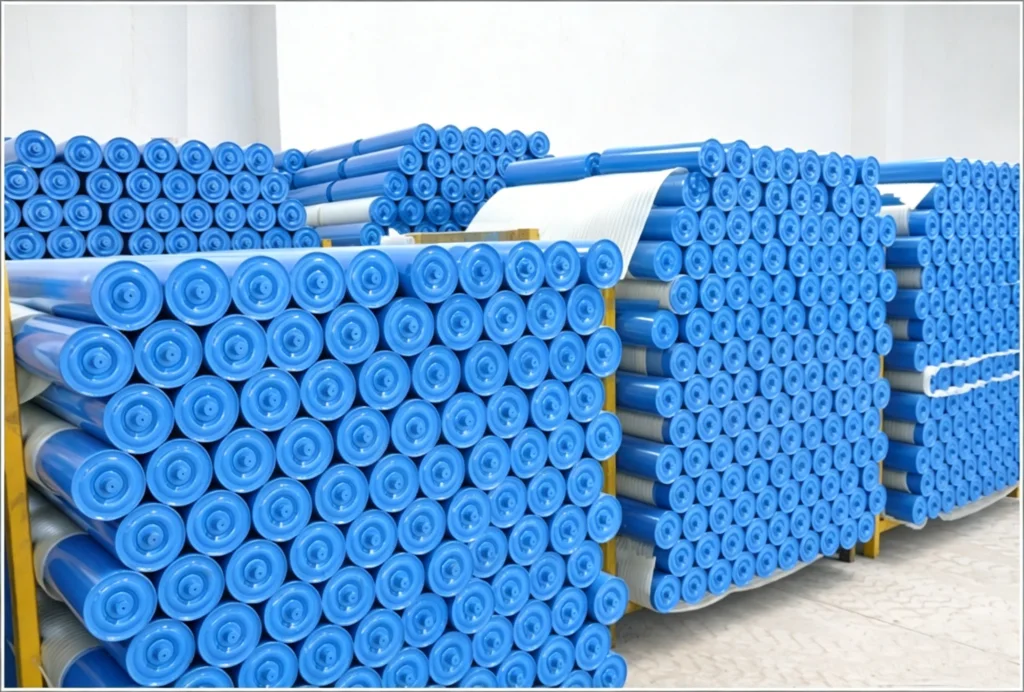
The complete system arrangement is determined by the designer after selecting and calculating main parameters based on the material conveying process and other requirements. The designer selects appropriate components from standard parts catalogues—including drive units, pulleys, idler sets, take-up devices, and conveyor belts—to assemble a complete conveyor system. A well-planned system arrangement ensures stable operation, minimal energy consumption, easy maintenance, and adaptation to site terrain and space constraints.