
Belt Conveyor Safety Devices: What Protection Systems Are Used?
Introduction: What Is a Belt Conveyor?
A belt conveyor moves materials using the friction between the belt and the drive pulley. Small conveyors are suitable for transporting materials with a bulk density below 1.67 tons per cubic meter. These include powdery, granular, and small lump materials that are easy to handle and have low abrasiveness. Examples include coal, gravel, sand, cement, fertilizer, and grain.
The conveyor can operate in temperatures ranging from -20°C to +40°C. Material temperature can range from room temperature up to 200°C, depending on the application. Conveyor length and configuration can be customized according to customer requirements.
Part 1: Basic Structure of a Belt Conveyor
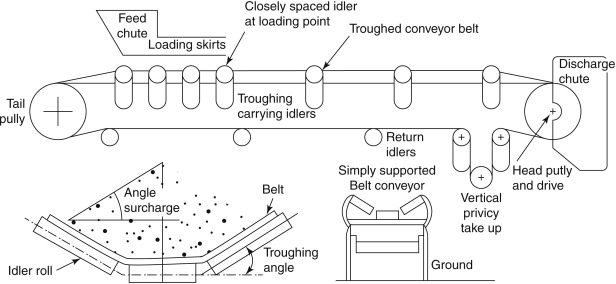
A belt conveyor consists of the following key components:
| Component | Function |
|---|---|
| Belt support frame | Supports the entire conveyor structure |
| Idler rollers | Support the belt and reduce sagging |
| Pulleys (drive and tail) | Drive the belt and change direction |
| Conveyor belt | Carries the material |
| Drive unit | Provides power to move the belt |
| Tensioning device | Maintains proper belt tension |
| Counterweight system | Helps keep the belt tight |
Part 2: Belt Conveyor Protection Devices
To ensure safe operation, belt conveyors are equipped with various protection devices. These devices are designed to detect problems and prevent accidents.
Below is a list of common protection devices:
1. Misalignment Switch (Run-Off Switch)
Function: Detects when the belt drifts off center.
How it works: When the belt moves sideways beyond a set limit, the switch triggers an alarm or stops the conveyor to prevent belt edge damage and material spillage.
2. Pull Cord Switch (Emergency Stop Switch)
Function: Allows operators to stop the conveyor from any location along its length.
How it works: When the pull cord is pulled, the conveyor stops immediately. This is used in emergencies or when an operator spots a hazard.
3. Speed Monitor (Speed Switch)
Function: Monitors the belt speed.
How it works: If the belt slows down or stops unexpectedly, the speed monitor activates an alarm or shuts down the conveyor to prevent damage.
4. Fluid Coupling (Hydraulic Coupling)
Function: Provides smooth starts and protects the drive system from overload.
How it works: The fluid coupling transfers power from the motor to the gearbox. It absorbs shock loads and limits torque during startup.
5. Backstop (Non-Return Device)
Function: Prevents the belt from running backward.
How it works: On inclined conveyors, the backstop stops the belt from reversing if the power fails or the motor stops.
6. Brake (Holdback Brake)
Function: Stops the conveyor and holds it in position.
How it works: The brake is used on inclined conveyors to stop and hold the belt when it is not running.
7. Belt Cleaner (Scraper)
Function: Removes material sticking to the belt.
How it works: A scraper blade is pressed against the belt surface to clean it as the belt returns.
8. Emergency Stop Push Button
Function: Allows operators to stop the conveyor in an emergency.
How it works: Pressing the button cuts power to the conveyor immediately.
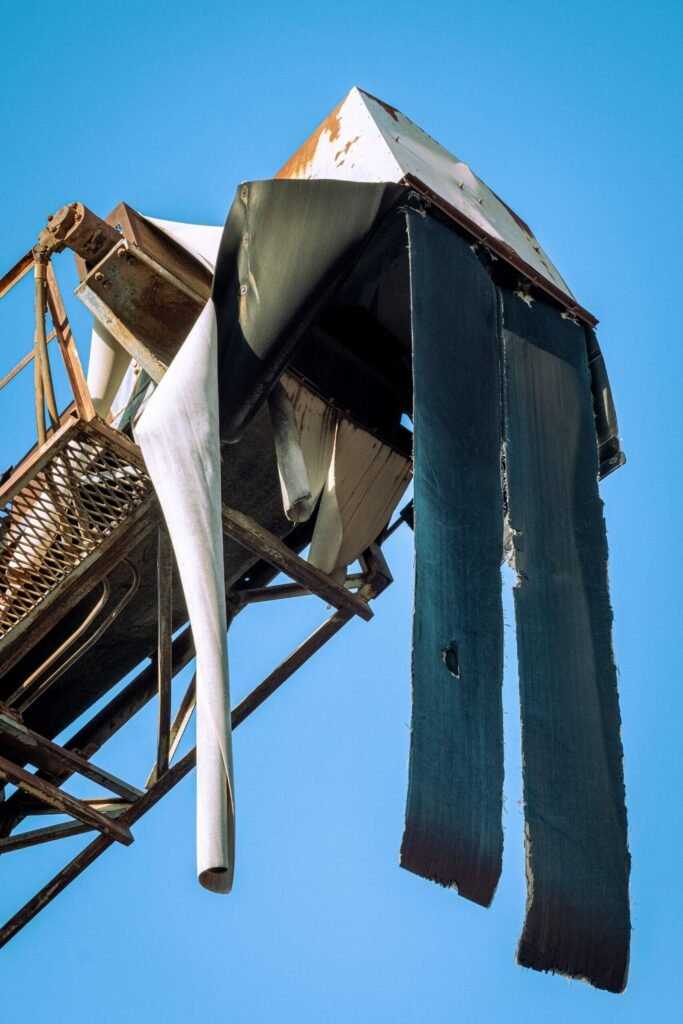
9. Belt Tear Detector (Anti-Tear Switch)
Function: Detects if the belt is torn.
How it works: Sensors detect belt damage and stop the conveyor to prevent further tearing.
10. Blockage Switch (Chute Blockage Detector)
Function: Detects material blockage in the chute or transfer point.
How it works: If material blocks the flow, the switch activates an alarm or stops the conveyor to prevent damage.
11. Start-Up Alarm (Warning Device)
Function: Warns personnel before the conveyor starts.
How it works: An audible and visual alarm sounds before the conveyor starts to alert workers in the area.
Part 3: Summary
All of these protection devices are essential for safe belt conveyor operation. They help prevent accidents, protect equipment, and reduce downtime. Proper selection and installation of these devices is critical for any conveyor system.
Data Sources
- Conveyor Equipment Manufacturers Association (CEMA) standards
- ISO 5048 – Continuous mechanical handling equipment
- Industry safety standards for belt conveyors
- Haihui internal product documentation

 English
 العربية
 Русский
 Español
 Português do Brasil