
Factory Safety Pocket Manual: Essential Workshop Best Practices Guide
Executive Summary of Safety Inspection Initiatives
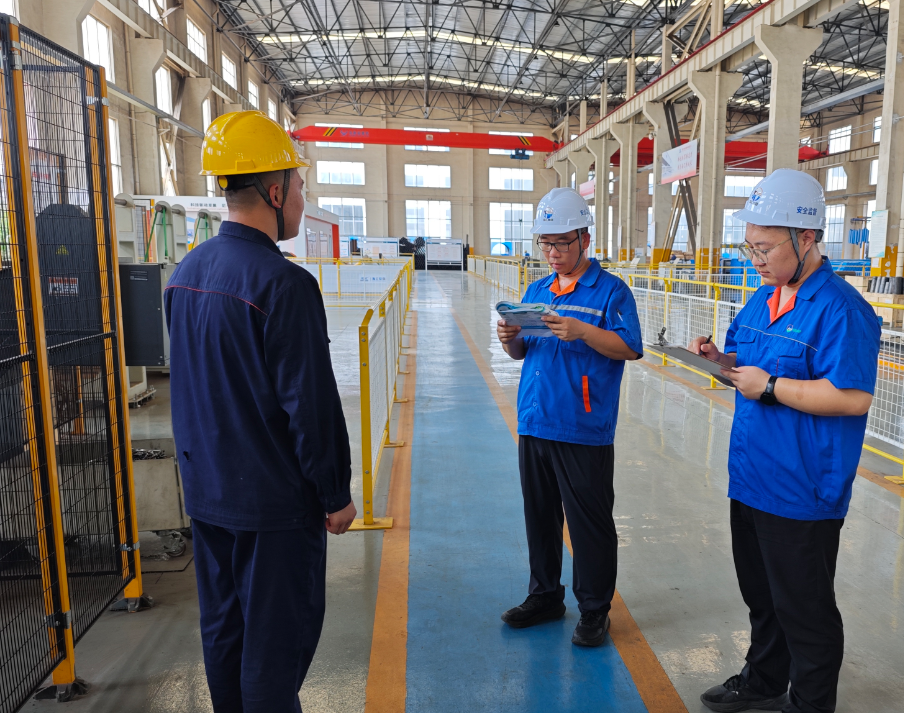
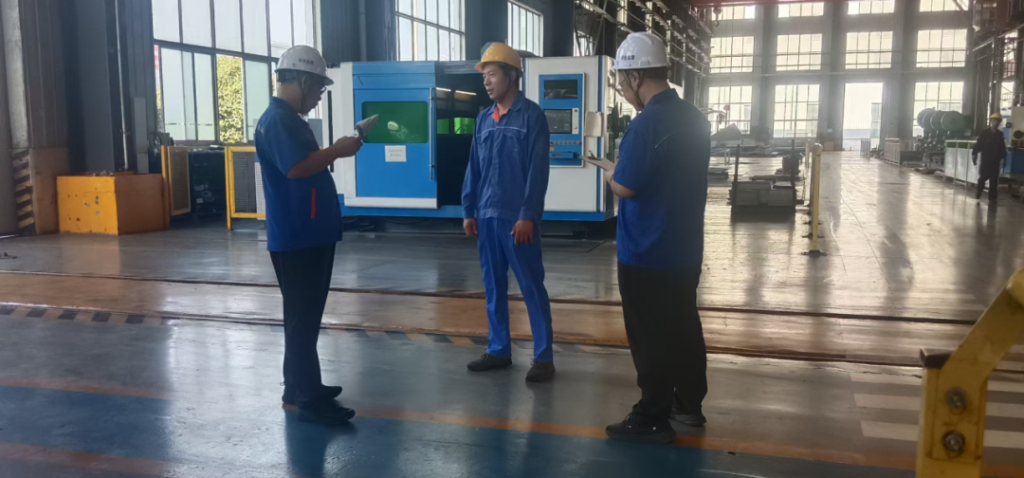
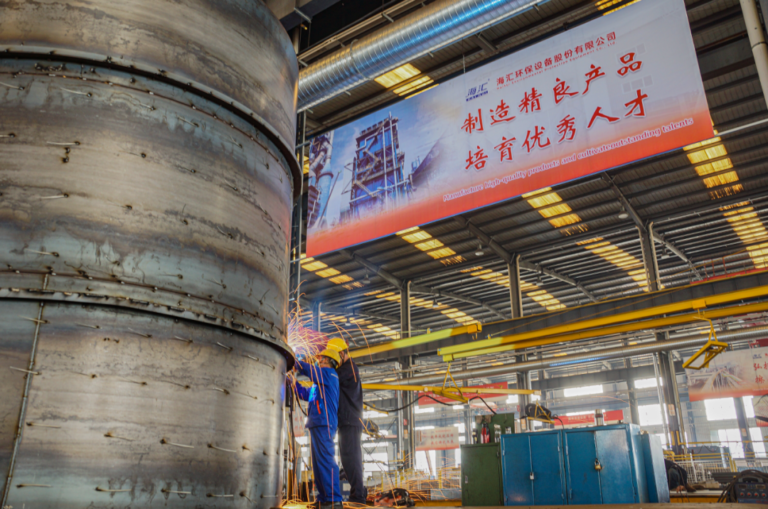
Recently, the Production Department conducted an unannounced safety knowledge assessment for frontline workers. This initiative used the portable Safety Pocket Manual as the primary evaluation standard. The assessment selected 12 operational workers at random to test their memory and practical understanding of standard operating procedures, hazard identification, and emergency response.
The test results showed strong compliance and deep dynamic understanding across all evaluated shop-floor teams. This random sampling strategy acts as an evaluation tool and a continuous driver for proactive learning among technical personnel.
Core Structure of the Safety Pocket Manual
The Safety Pocket Manual serves as a compact, quick-reference operational guideline for workshop staff. It condenses complex corporate safety standards into actionable steps. The document focuses on four core structural pillars:
| Category | Primary Focus Areas | Key Deliverables |
|---|---|---|
| Standard Operating Procedures (SOP) | Machinery operation, pre-start checks, shut-down steps | Elimination of operational errors |
| Hazard Controls | Lockout/Tagout (LOTO), hot work, high-altitude work | Risk mitigation at source |
| Emergency Response Protocols | Initial fire suppression, electrical shock rescue, evacuation | Reduction of injury severity |
| Personal Protective Equipment (PPE) | Fitting standards, rating limits, routine maintenance | Direct worker physical shield |
Structured Four-Tier Safety System
To maintain continuous operational stability, technical management uses a four-tier risk containment structure. This structure ensures that potential errors are caught and corrected early.
Tier 1: Multi-Level Safety Education Framework
Safety training follows a mandatory three-tier safety education protocol (Company Level, Workshop Level, and Work Team Level).
- New Hires: Complete 24 mandatory hours of fundamental training prior to shop-floor access.
- Specialized Operators: Electricians, welders, and forklift operators complete annual re-certification programs.
- Daily Briefings: Shift supervisors conduct 5-minute pre-shift safety handovers to review specific hazards related to scheduled daily tasks.
Tier 2: Closed-Loop Hazard Identification and Remediation
Hazard management operates on a strictly monitored closed-loop lifecycle: Identification, Logging, Remediation, Verification, and Sign-off.
Designated safety inspectors inspect physical equipment condition, electrical wiring, ventilation systems, and fire control assets daily. Unsafe conditions are cataloged in an automated asset tracking database with strict remediation timelines.
Tier 3: Emergency Preparedness and Rapid Response Capabilities
Emergency readiness requires both optimized physical equipment and practiced human response. The factory conducts quarterly simulated drills covering high-risk scenarios, including localized electrical fires, mechanical entanglement, and press line pressure loss.
- Maintenance teams perform monthly operational checks on all emergency eyewash stations, fire hoses, and localized gas shut-off valves.
- Response teams maintain target response times under 180 seconds for initial local containment.
Tier 4: Personal Accountability and Violation Enforcement
The plant operates under a Strict Safety Responsibility Policy. Every operational job description includes explicit safety requirements alongside production quotas.
Supervisors actively monitor and eliminate the “Three Violations”:
- Unauthorized Command: Managers issuing orders that violate safety standards.
- Illegal Operation: Workers bypassing safeguards or safety sensors.
- Breach of Labor Discipline: Disregarding required PPE protocols or operational boundaries.
Quantitative Engineering Parameters and Technical Baselines
1. Emergency Evacuation Dynamics
To evaluate shop-floor evacuation efficiency, engineering standards define mandatory movement limits and time limits for emergency egress:
- Maximum Travel Distance: The maximum physical distance from any shop-floor location to the nearest exit is 45 meters.
- Average Corridor Walk Speed: Designed baseline movement speed for personnel through industrial aisles is 1.2 meters per second.
- Travel Delay Baselines: Alarm response and pre-evacuation delay is capped at 60 seconds.
- Total Target Evacuation Time: Calculated egress across standard layout boundaries must be completed within 122.5 seconds.
2. General Ventilation and Fume Control Thresholds
For industrial workshops handling particulate matter and welding fumes, exhaust systems must maintain specific volumetric airflow rates to ensure operator health:
- Capture Velocity: Minimum airflow speed at the pollutant source point is 0.5 meters per second.
- Source Distance: Standard suction hood offset distance is 0.3 meters from the work point.
- Hood Perimeter Standard: Typical open hood face perimeter is 1.8 meters.
- Target Flow Capacity: Required localized exhaust volumetric flow rate is 0.378 cubic meters per second (1360.8 cubic meters per hour).
3. Illumination Engineering Thresholds
To prevent eye fatigue and operational errors on precision machinery lines, minimum illuminance standards apply:
| Zone Type | Minimum Target Lux | Standard Maintenance Vector |
|---|---|---|
| Main Transport Corridors | 150 Lux | Cleaned every 6 months |
| General Assembly Bench | 300 Lux | LED module replacement at 70% output rating |
| Precision Inspection Line | 750 Lux | Anti-glare diffusers required |
Technical References
- ISO 45001:2018 — Occupational health and safety management systems — Requirements with guidance for use. International Organization for Standardization.
- NFPA 101 — Life Safety Code (2021 Edition). National Fire Protection Association. Standards for egress travel distances and aisle capacity limits.
- ACGIH Industrial Ventilation Manual — Industrial Ventilation: A Manual of Recommended Practice for Design (30th Edition). American Conference of Governmental Industrial Hygienists. Local exhaust capture velocity parameters.
- EN 12464-1:2021 — Light and lighting — Lighting of work places — Part 1: Indoor work places. European Committee for Standardization. Illuminance thresholds for manufacturing operations.


 English
 العربية
 Русский
 Español
 Português do Brasil