
How to Remove Sticky Material from Conveyor Belt Surface
Introduction: The Challenge of Sticky Material
During material transport, conveyor belts inevitably pick up spillage and sticky residue. What is the best way to handle this problem? A good method should remove the sticky material safely and also help correct any misalignment caused by uneven buildup.
This article covers practical solutions for cleaning sticky materials and keeping your conveyor running smoothly.
Part 1: Daily Cleaning and Maintenance
1.1 Dry Cleaning Methods
For light sticky materials such as dust and loose powders, use a soft brush along the belt direction. Alternatively, use a high-pressure air gun to blow off surface material. These methods remove surface debris quickly without stopping the belt or causing damage.
1.2 Wet Cleaning Methods
For stubborn materials like syrup, glue, or grease, spray warm water or a neutral cleaning solution onto the affected area. Allow the material to soften, then remove it with a soft scraper. After cleaning, dry the surface promptly to prevent moisture from corroding the belt.
Part 2: Mechanical Cleaning Devices
2.1 Belt Scraper (Cleaner)
Install a scraper-type cleaner on the belt. A spring or counterweight applies pressure to keep the scraper blade in contact with the belt surface. This removes sticky material as the belt moves.
Key points:
- Choose the right blade material: polyurethane, rubber, or others
- Check and replace worn blades regularly
- Avoid damaging the belt surface
2.2 Vibrating Cleaning Device
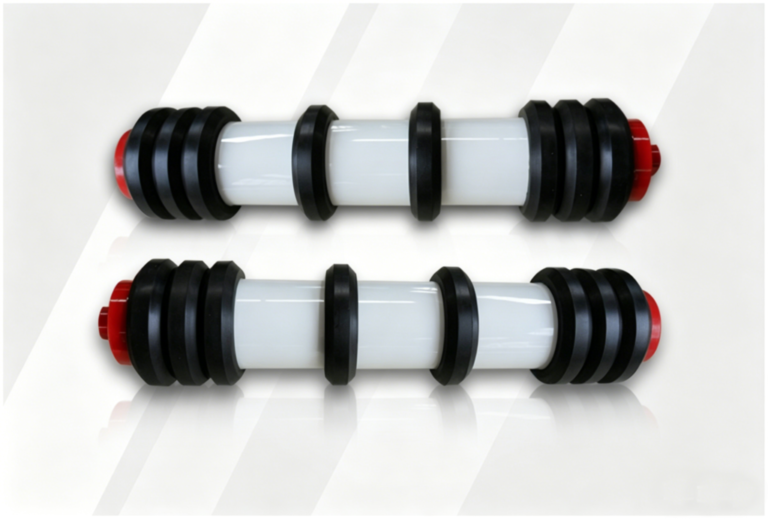
This device uses eccentric rollers installed on the return side of the belt. The belt friction rotates the rollers, generating vibration. The vibration causes sticky material to fall off due to inertia.
| Cleaning Method | Best For | Advantage |
|---|---|---|
| Dry cleaning | Dust, loose powders | Fast, no damage |
| Wet cleaning | Syrup, grease, glue | Effective on sticky residue |
| Belt scraper | General sticky material | Continuous cleaning |
| Vibration device | Long-term, heavy buildup | Contact-free, reliable |
Part 3: Process and Equipment Optimization
3.1 Adjust the Feed Method
Ensure uniform feeding to avoid off-center loading or large material impact. This reduces the chance of material sticking to the belt.
3.2 Improve Belt Surface Properties
Choose a belt material with good anti-stick properties. Options include:
- PU
- Silicone
- Teflon
Surface treatments such as coating or polishing can also reduce adhesion.
3.3 Strengthen Equipment Maintenance
Regularly check that idler rollers and pulleys rotate freely. Clean any accumulated material from rollers and pulleys promptly. Accumulated material can cause misalignment and belt wear.
Part 4: Important Safety Notes
When cleaning sticky material from the belt:
- Never clean while the belt is running. Stop the belt, lock out the power, and post warning signs.
- Avoid sharp tools. Do not use wire brushes or hard blades that could scratch the belt surface.
- Use soft scrapers and gentle cleaning methods to protect the belt.
Part 5: Common Cleaning Devices
| Device | Function |
|---|---|
| Spiral cleaning roller | Removes material with rotating spiral action |
| Belt scraper | Scrapes sticky material off the belt surface |
| Brush cleaner | Sweeps loose material from the belt |
| Empty-section scraper | Cleans the return side of the belt |
Part 6: Share Your Experience
Which cleaning method do you use? Share your experience in the comments below. Your feedback could help others facing the same problem.
Data Sources
- Industry best practices for conveyor belt cleaning
- Manufacturer recommendations for scraper blades and cleaning devices
- Haihui field service records and customer feedback

 English
 العربية
 Русский
 Español
 Português do Brasil