
Municipal Wastewater Treatment Project
Case study
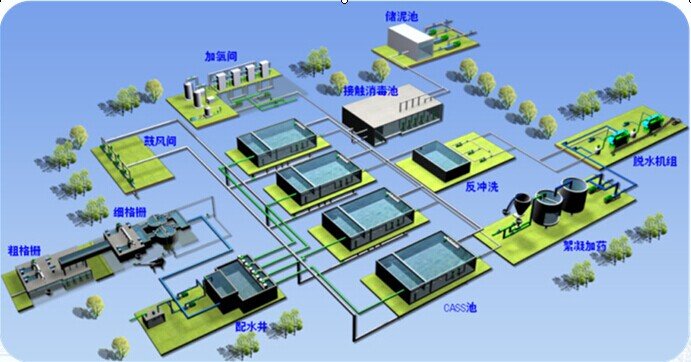
This municipal wastewater treatment project is one of the flagship projects of Haihui Group’s Water Treatment Division. The raw water quality is relatively complex, comprising a mixture of industrial and domestic wastewater, which places high demands on the stability and shock resistance of the treatment process. In response to this, Haihui Group adopted a primary process route consisting of an ‘anaerobic stage + aerobic stage’. The anaerobic stage utilises the HHIC reactor, independently developed by Haihui Group, whilst the aerobic stage employs the proven and reliable CASS process.
In this project, Haihui Group’s core technology—the HHIC anaerobic reactor—has been fully utilised. Featuring a multi-stage internal circulation structure, this reactor achieves efficient mass transfer and stable operation through rational hydraulic design and gas-liquid-solid three-phase separation technology. Compared to conventional anaerobic equipment, the HHIC reactor offers the following distinct advantages: a compact footprint, effectively saving land for municipal projects; high organic loading capacity, enabling the treatment of higher-concentration organic wastewater within a limited volume; greater resistance to shock loads, effectively handling operating conditions with significant fluctuations in water quality and quantity resulting from the mixing of industrial and domestic wastewater; more stable system performance, ensuring consistent effluent quality; and simpler operation and management, with a high degree of automation that reduces the intensity of daily operation and maintenance as well as labour costs.
Through effective integration with the CASS process in the aerobic stage, this municipal wastewater treatment project has achieved highly efficient removal of pollutants such as organic matter and suspended solids, providing a robust foundation for the improvement of the regional water environment.
Similar cases
Municipal Wastewater Treatment Project
Case study This municipal wastewater treatment project is one of the flagship projects of Haihui…
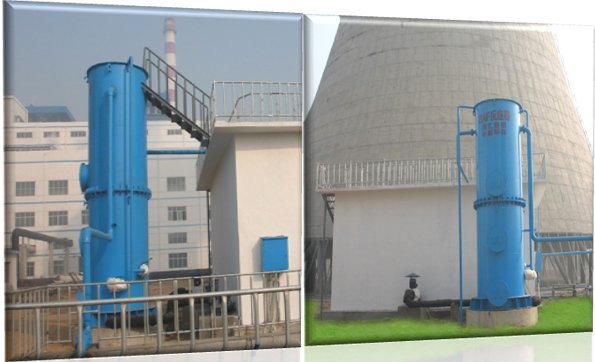
Domestic Wastewater Treatment Project – BAF (Biological Aerated Filter): A Case Study
Case study This domestic wastewater treatment project is one of the flagship case studies of…
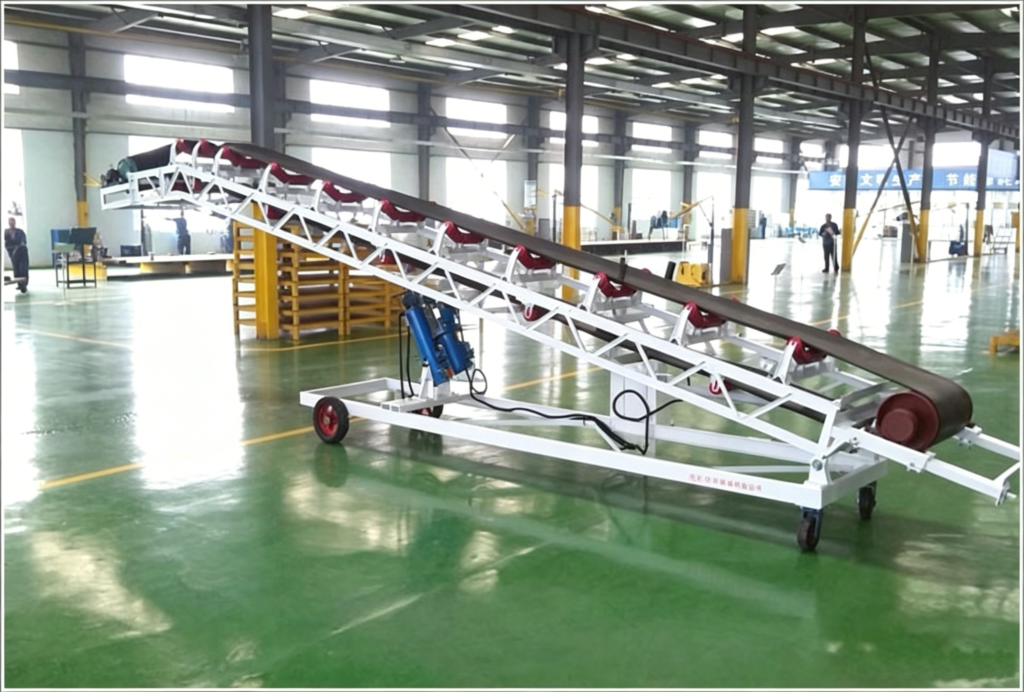
Grain Conveyors – Typical Applications of the New Mobile Elevating Belt Conveyor in the Grain Industry
Case study Haihui Group has launched a new mobile, height-adjustable belt conveyor equipped with swi…
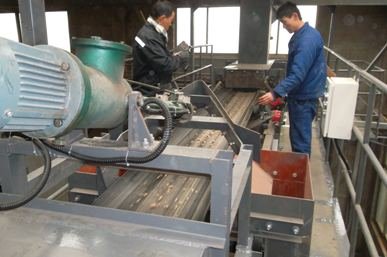
Applications of Haihui Group’s Belt Conveyors in Confined Spaces
Case study The Belt Conveyor Division of Haihui Group undertook a particularly challenging project: …
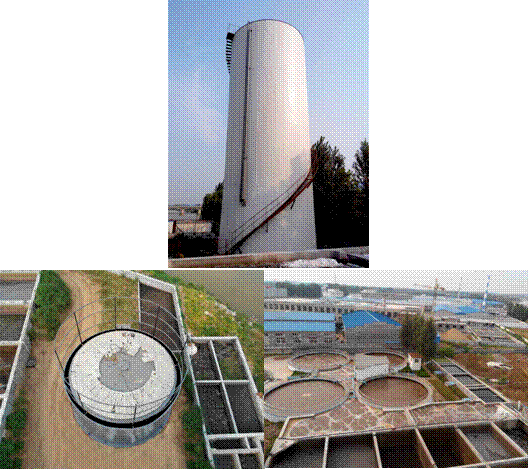
Wastewater Treatment Project for a Food and Beverage Company in Linyi
Case study Haihui Group has successfully secured the contract for the wastewater treatment project a…
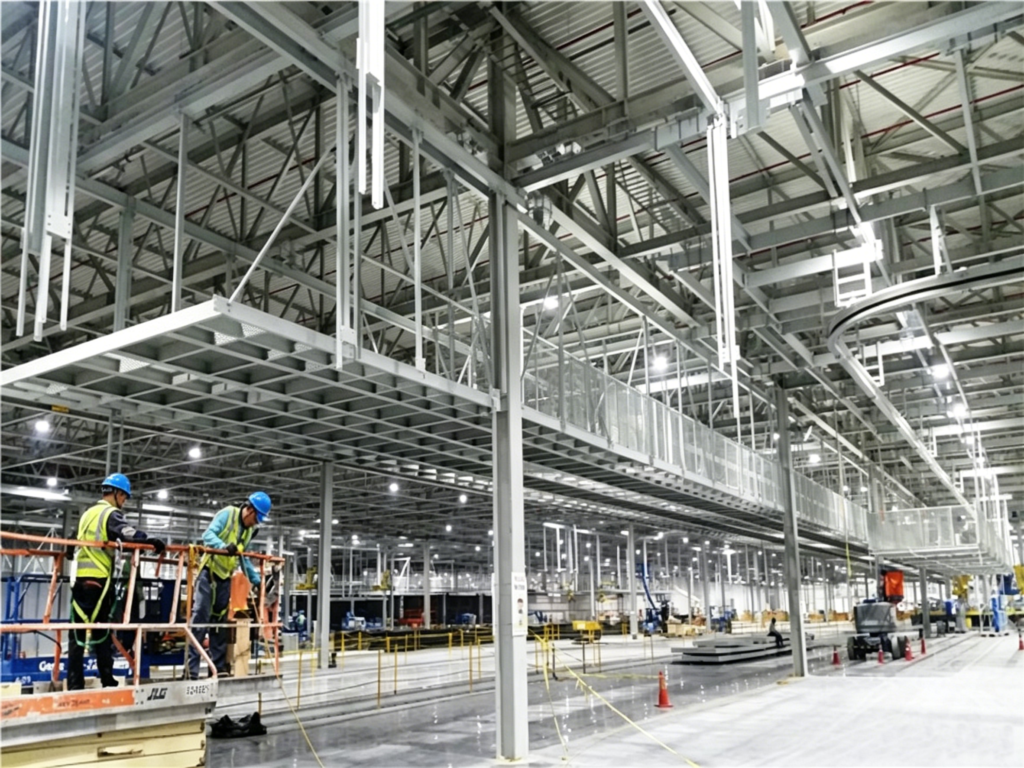
Kia Mexico Vehicle Assembly Plant Steel Structure Project – Steel Structure
Case study Haihui Group has successfully secured the contract for the steel structure project for…