
Technical Upgrading Project for Desulphurisation and Wet Electrostatic Precipitation to Achieve Ultra-Low Emissions at the Carbon Plant
Case study
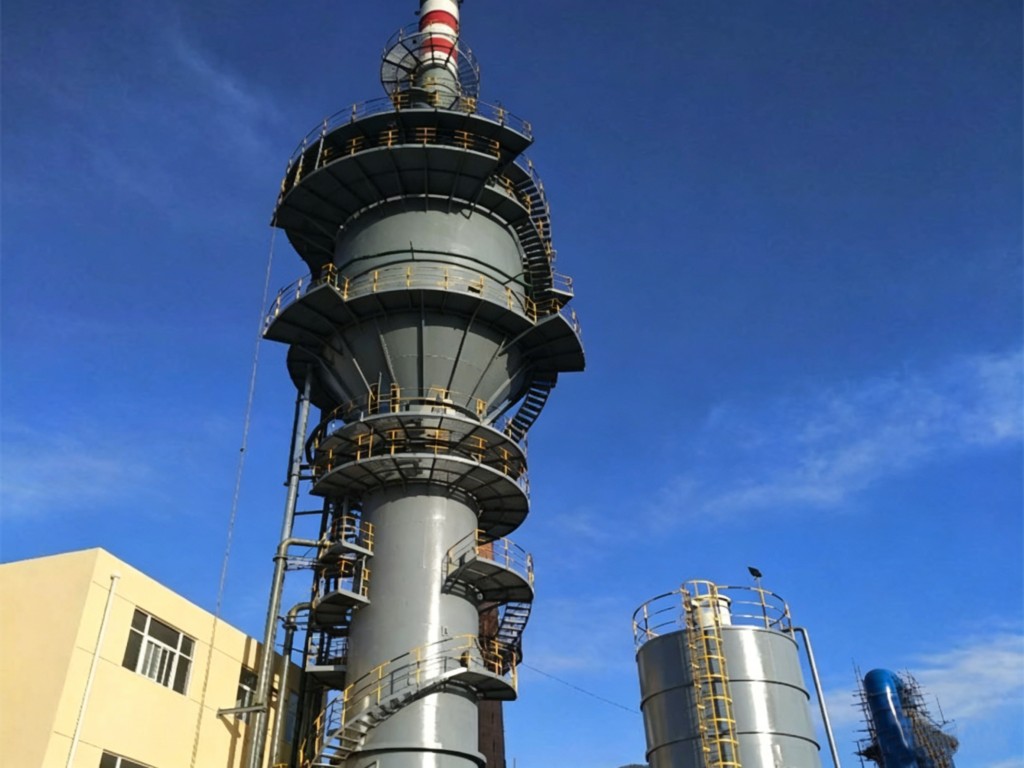
The ultra-low emission retrofit project for the desulphurisation and wet electrostatic precipitator at a carbon plant in Henan, undertaken by Haihui Group, has been successfully completed. Following rigorous testing by a third-party inspection body, all emission parameters are operating stably within compliance limits.
Prior to signing the contract and technical agreement, senior management and relevant design personnel from Haihui Group visited the project site on multiple occasions to conduct technical exchanges and site surveys. Taking into account the operational status of the client’s existing equipment and the specific requirements of the retrofit project, both parties engaged in multiple rounds of in-depth discussions. This ultimately led to the finalisation of a scientifically sound and reasonable process route and construction methodology, laying a solid foundation for the smooth progression of the project.
The project officially commenced at the end of June 2017 and faced the dual challenges of a tight schedule and a heavy workload. Company leadership personally oversaw all aspects of the project, fully leveraging the collaborative strengths of departments including technical, production and construction. Engineering staff performed their respective duties with close coordination, maintaining a high level of enthusiasm throughout. During the construction period, the region experienced nearly a month of continuous wind and rain. On-site personnel rose to the challenge, overcoming the adverse effects of the inclement weather by voluntarily working overtime and frequently carrying out work through the night. Company leadership and all construction personnel consistently upheld the philosophy of “delivering projects and creating excellence”, ensuring that construction quality was not compromised whilst strictly enforcing safety protocols.
As the project progressed, several technical challenges arose that threatened to delay the schedule. Adopting a pragmatic approach, company management and relevant personnel actively engaged in dialogue with all parties to devise solutions, ensuring that any issues received a timely and effective response and resolution within 24 hours, thereby significantly accelerating on-site progress. For instance, during construction, the team discovered that the locations of equipment cut-outs on the design drawings did not match the actual site conditions, and that there were potential interference issues. Site personnel immediately brought the situation to the attention of the relevant designers. Following multiple rounds of consultation and confirmation, the cut-out positions were reasonably adjusted without compromising the normal operation of the equipment, thereby ensuring the smooth progression of the fabrication and installation work.
Against a backdrop of numerous challenges, all staff worked in unison to overcome these difficulties, ultimately ensuring the project’s successful completion. Currently, the equipment has been operating stably for nearly two months in accordance with the client’s requirements, with all performance indicators excelling, earning high praise from both the client and the local environmental protection authorities.
Similar cases
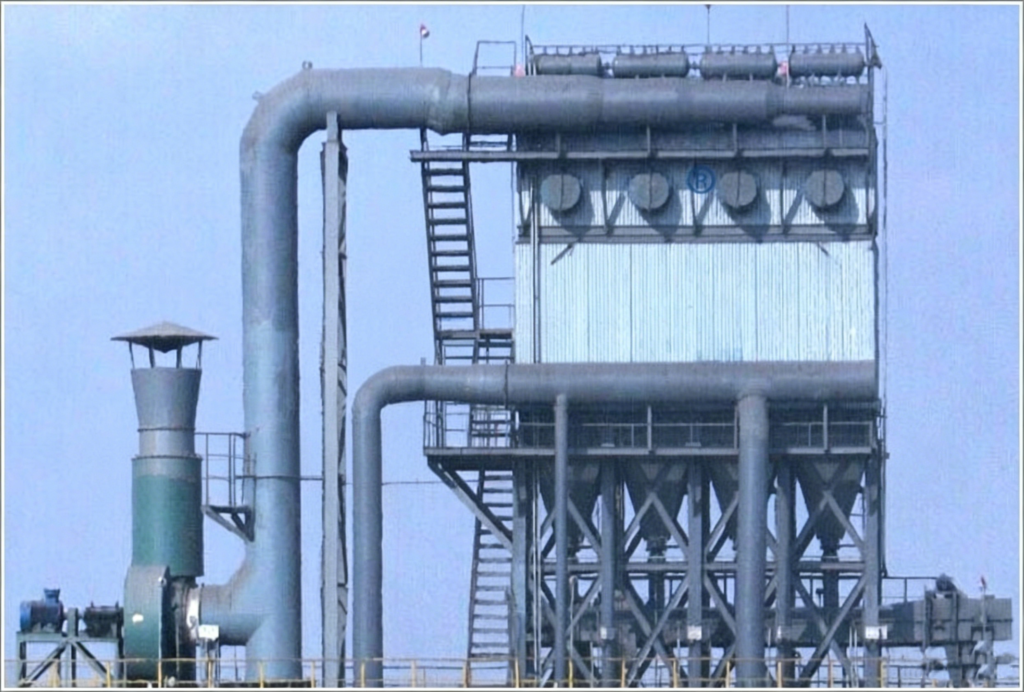
Coking Light Oil Refining Project – Application of Haihui Group’s HFMC Baghouse Dust Collector in the Treatment of Explosive Dust-laden Gases
Case study Haihui Group’s HFMC baghouse dust collectors have demonstrated outstanding performance in…
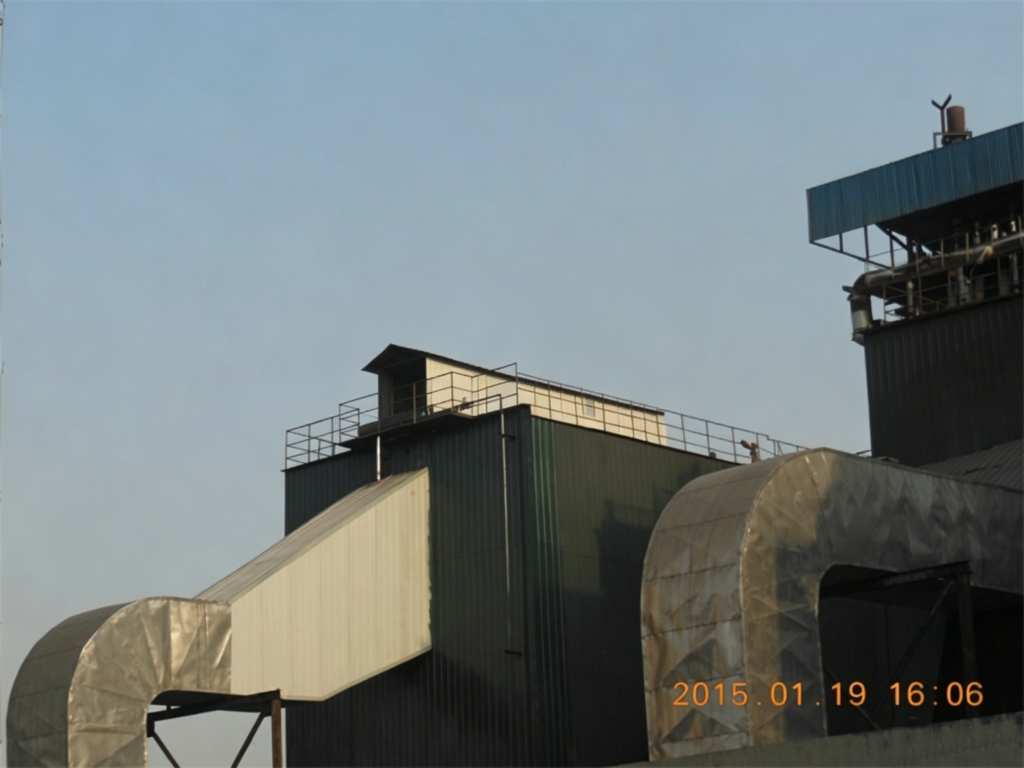
Yankuang International Coking No. 1 Boiler Electrostatic Precipitator Conversion to an Electrostatic-Bag Hybrid Dust Collector Project
Case study The project to convert the electrostatic precipitator of Boiler No. 1 at Yankuang…
Technical Upgrading Project for Desulphurisation and Wet Electrostatic Precipitation to Achieve Ultra-Low Emissions at the Carbon Plant
Case study The ultra-low emission retrofit project for the desulphurisation and wet electrostatic pr…